by rob | Sep 12, 2026 | Event Power Guides
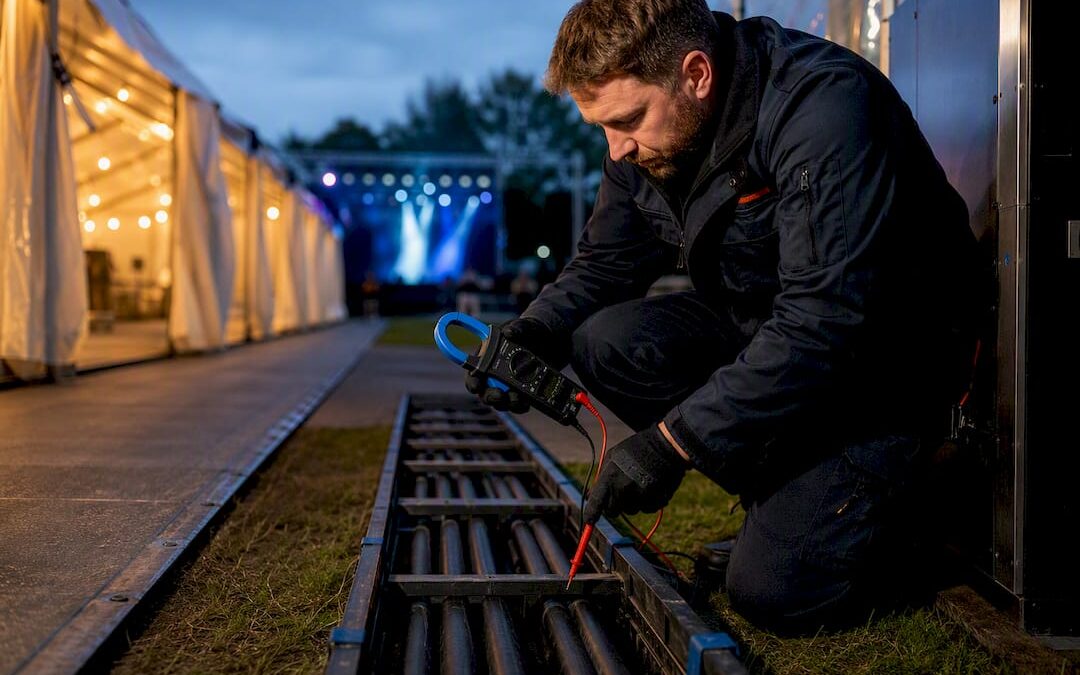
Add every device’s wattage, convert to amps (amps = watts ÷ volts), then add 20 to 25% headroom and apply the 80% continuous-load rule. That figure tells you whether a standard domestic socket will do or you need a dedicated 16 A, 32 A or 63 A supply, or a generator....
by rob | Sep 11, 2026 | Event Power Guides
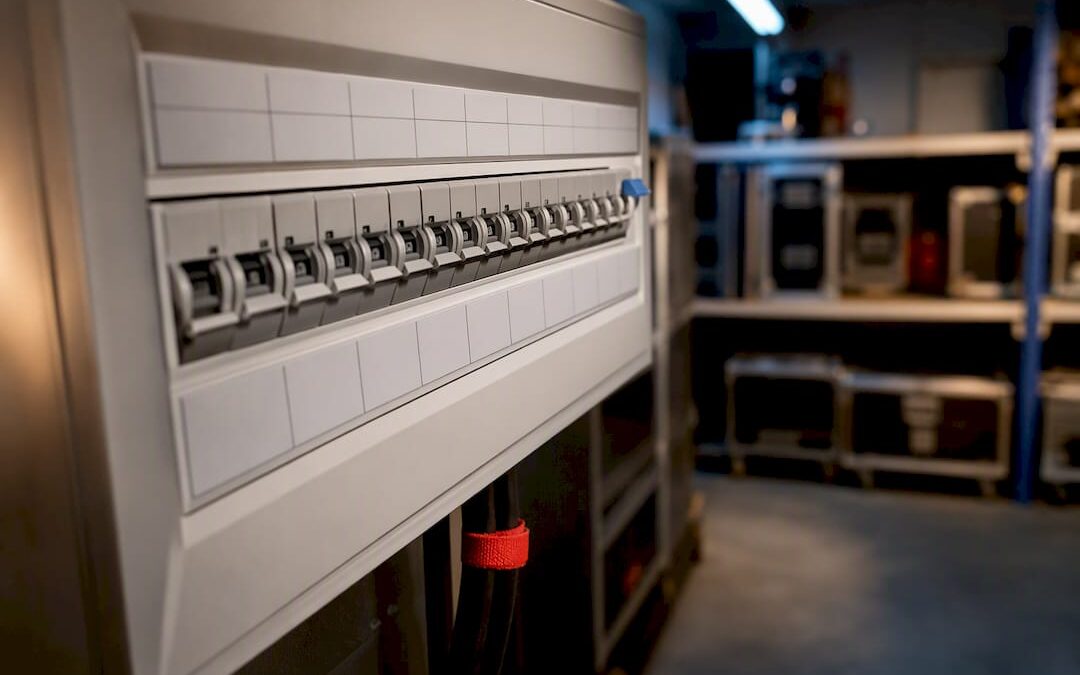
Correct distribution board labelling means every circuit is marked clearly enough that nobody has to guess what it feeds. BS 7671 backs this with a firm rule: switchgear must carry unambiguous identification, though Regulation 514.9.1 permits a single durable chart...
by rob | Sep 10, 2026 | Event Power Guides
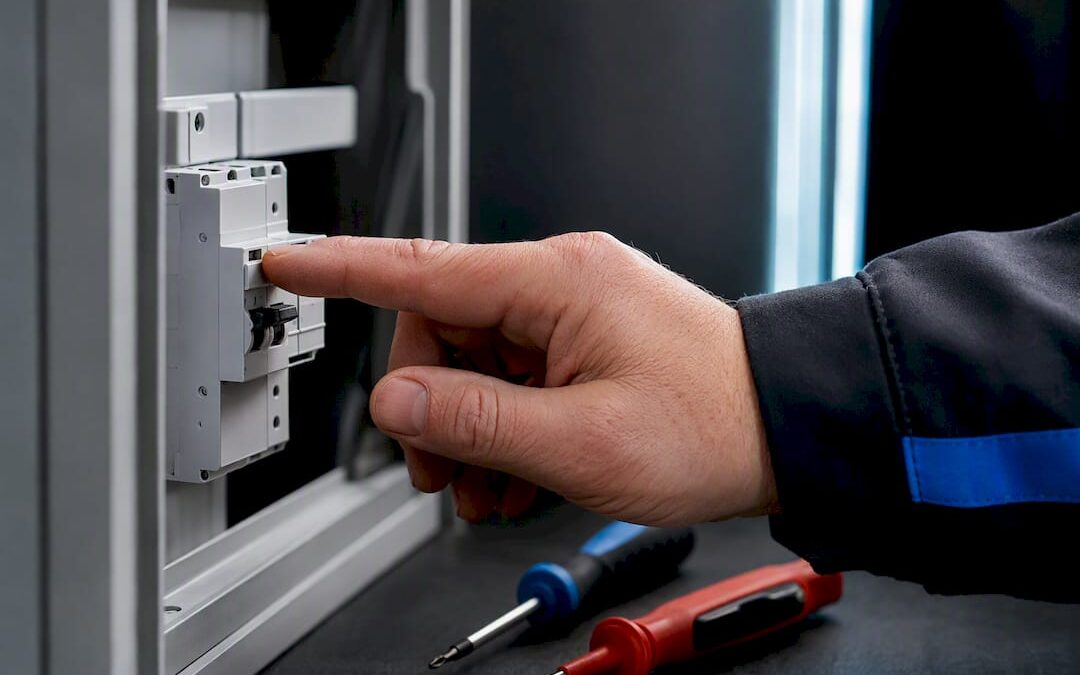
Under BS 7671 A4:2026, AFDDs conforming to BS EN 62606 must be provided on single-phase socket-outlet circuits rated up to 32 A in four named higher-risk residential premises types; elsewhere they remain recommended, not compulsory. Devices sit at the origin of the...
by rob | Sep 9, 2026 | Event Power Guides
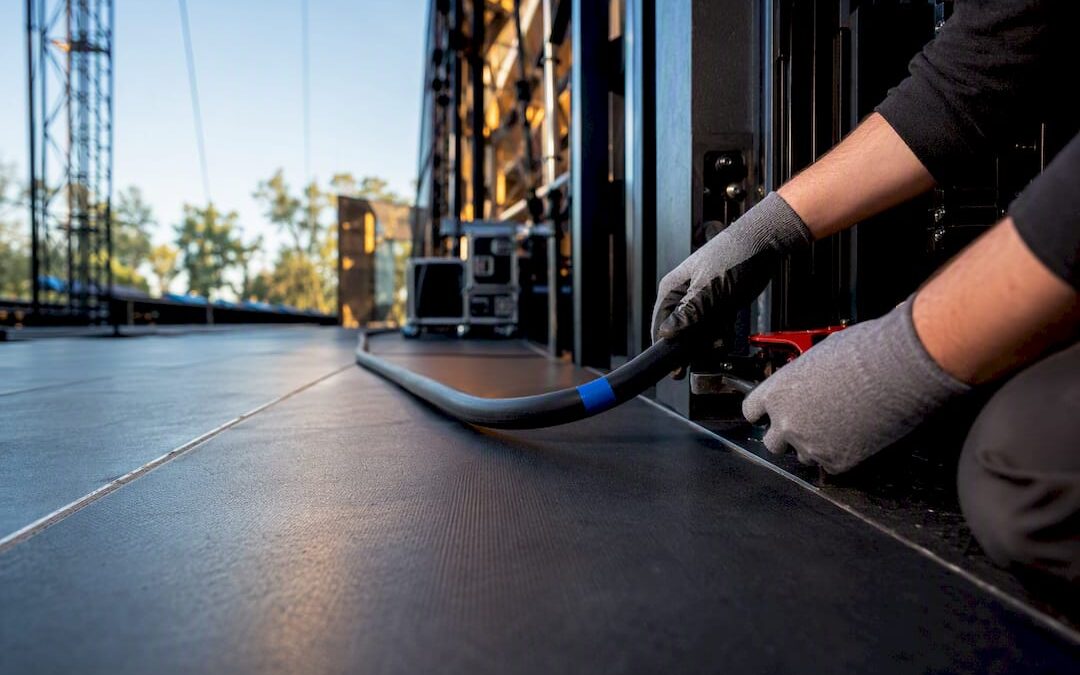
Size a generator cable by dividing the load in watts by the voltage to get the design current (Ib), then run three checks before you commit to a conductor: pick a protective device rated In at or above Ib, confirm the derated tabulated rating Iz still exceeds In once...

by rob | Sep 8, 2026 | Event Power Guides
Single-phase is the standard 230V supply running to most UK homes, and it’s fine for almost everything you’ll plug in. Three-phase gives you 230V phase-to-neutral, 400V between phases, and far higher usable capacity, but you only need it when several heavy loads run...
by rob | Sep 7, 2026 | Event Power Guides
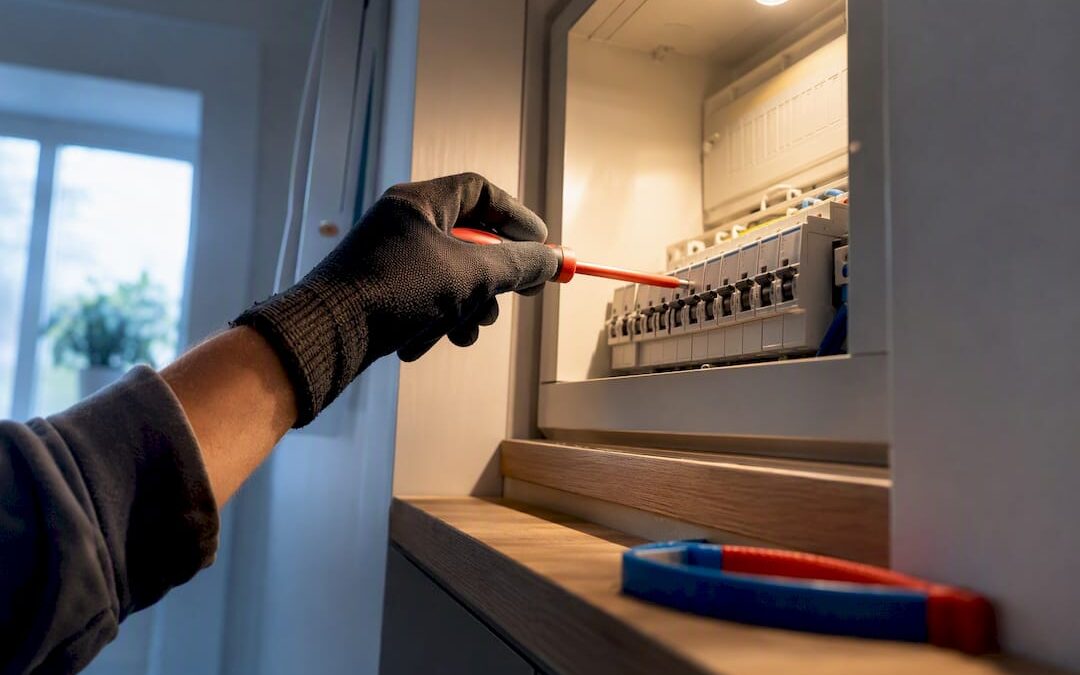
Expect to pay somewhere between £400 and £1,000 for a consumer unit upgrade in the UK in 2026, with most homeowners settling around £485 to £600 for a straightforward job. The work is notifiable under Part P of the Building Regulations, meaning your electrician must...
