by rob | Sep 18, 2026 | Event Power Guides
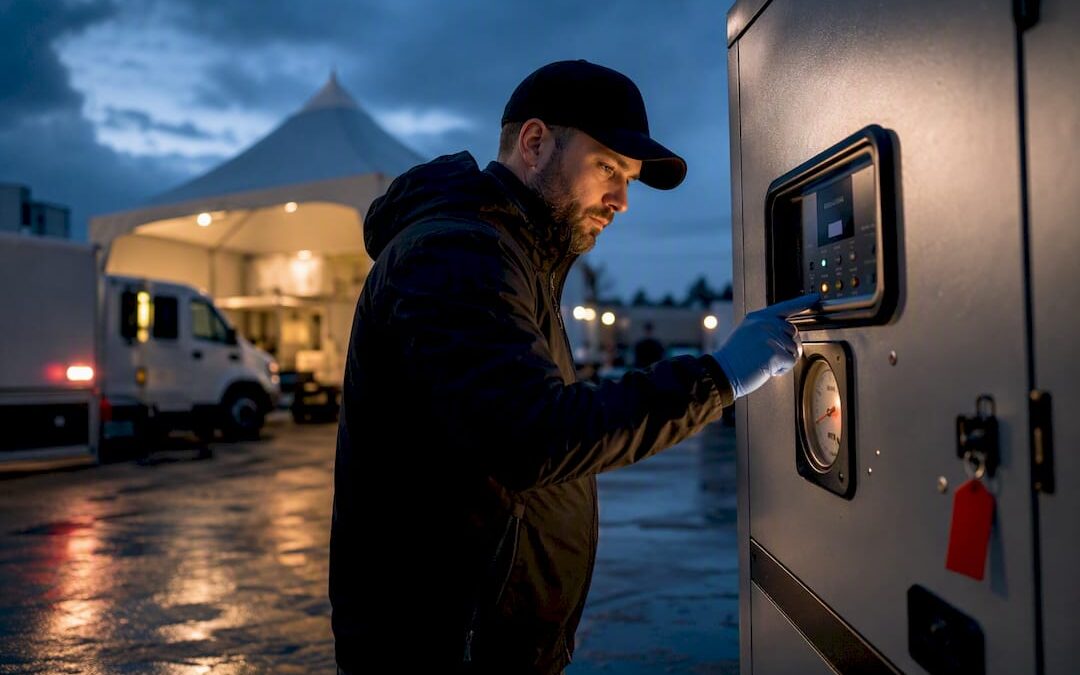
Runtime comes down to one working formula: tank litres divided by fuel use per hour at your actual average load. To get a usable number today, gather three things: your tank capacity in litres, the average electrical load you expect in kW, and the manufacturer’s...

by rob | Sep 17, 2026 | Event Power Guides
Earthing gives fault current a route back to the source so a protective device can trip and cut the supply. Bonding equalises the potential between metal parts so touching two of them at once cannot deliver a shock. Both are required by BS 7671 in almost every UK...
by rob | Sep 16, 2026 | Event Power Guides
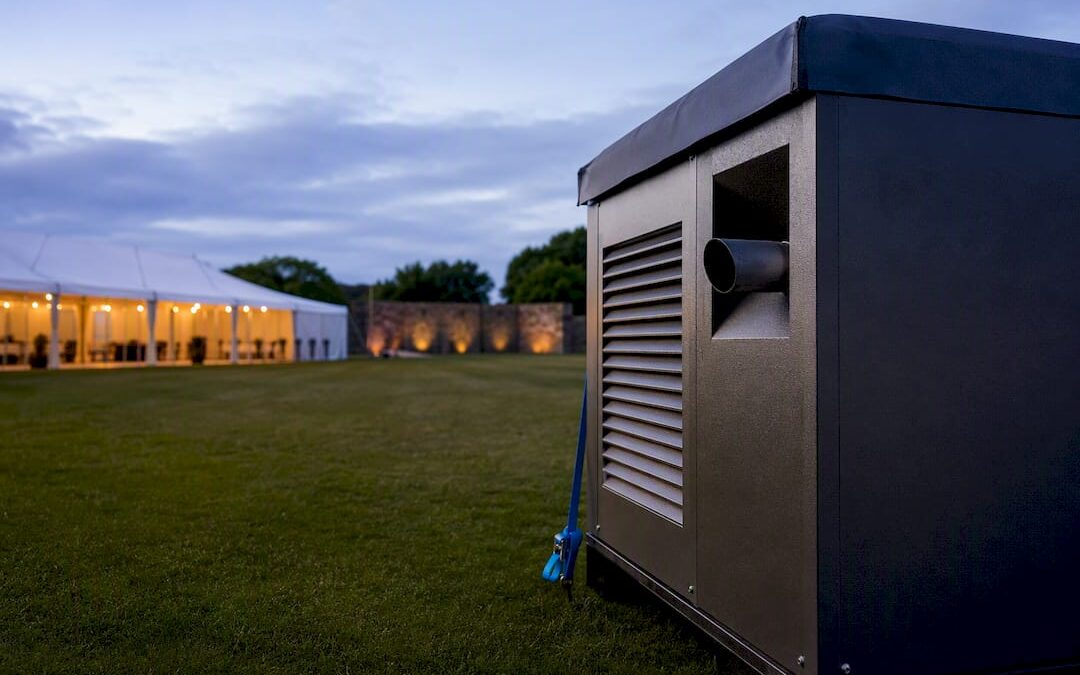
Yes, you can control generator noise effectively, and the fix is rarely just one thing. The combination that works is choosing a quiet or acoustically enclosed unit, siting it well away from bedrooms and windows, and keeping a maintenance log that proves you used best...
by rob | Sep 15, 2026 | Event Power Guides
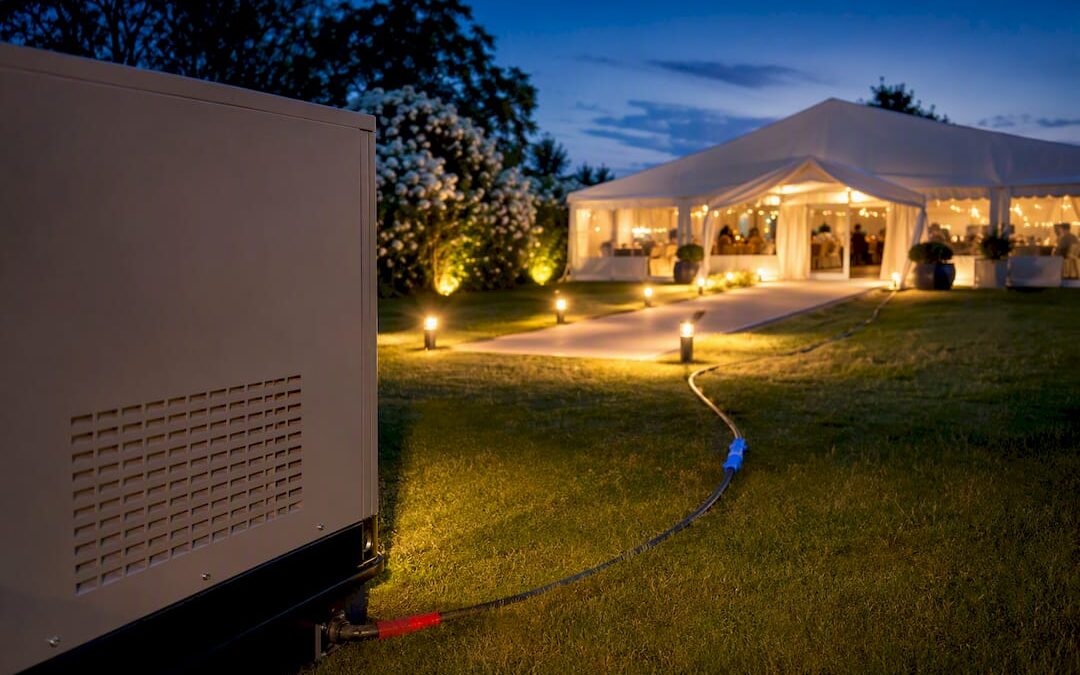
Hiring a generator for a UK marquee wedding typically costs between £400 and £1,200, and most quotes at that level cover a set fuel allowance, delivery within a set radius, and basic cabling. Where you land in that range depends on three things: the generator’s size...

by rob | Sep 14, 2026 | Event Power Guides
Powering a food truck at your event means hiring a properly sized generator, connecting it through RCD-protected portable distribution, and having a competent supplier commission and certify the whole setup before doors open. Your first move is simple: draw up an...

by rob | Sep 13, 2026 | Event Power Guides
Event emergency lighting must provide automatic, independent illumination for escape routes and safety points for a minimum duration of illumination for an adequate period of time if the main power fails, and it must switch on without anyone touching a switch. Before...
